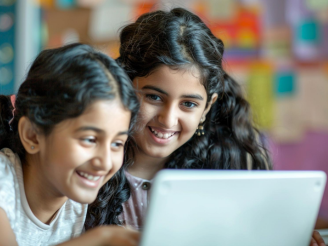
The Importance of Play-Based Learning
Play-based learning helps children develop creativity, problem-solving skills, teamwork, and communication. It makes learning natural, enjoyable, and easy to understand.
Learning Through Play: Building Skills Naturally
Play-based learning helps children explore, imagine, communicate, and develop important life skills in a fun and meaningful way.
Play is one of the most natural and effective ways for children to learn. Through play-based learning, students develop creativity, problem-solving skills, social confidence, language ability, and emotional understanding.
When children play, they are not just having fun; they are observing, thinking, asking questions, making decisions, and learning how to work with others. Activities like storytelling, role play, building blocks, puzzles, music, art, and outdoor games help children understand concepts in a practical and enjoyable way.
Play-based learning also makes classrooms more active and engaging. It allows children to learn at their own pace while building curiosity, confidence, and a love for learning.
Frequently Asked Questions
Play-based learning is an educational approach where children learn through activities, games, imagination, exploration, and hands-on experiences.
Play helps children improve creativity, communication, problem-solving, teamwork, motor skills, and emotional development.
Teachers can use storytelling, puzzles, group games, art activities, role play, building blocks, music, and outdoor play to make learning more interactive and enjoyable.